2 min read
Europe vs Useful Tech: iPhone Mirroring, the Digital Markets Act and Tesla
iPhone Mirroring is unavailable in the EU because of the Digital Markets Act. A short rant on how Europe keeps regulating useful tech away from its own users.
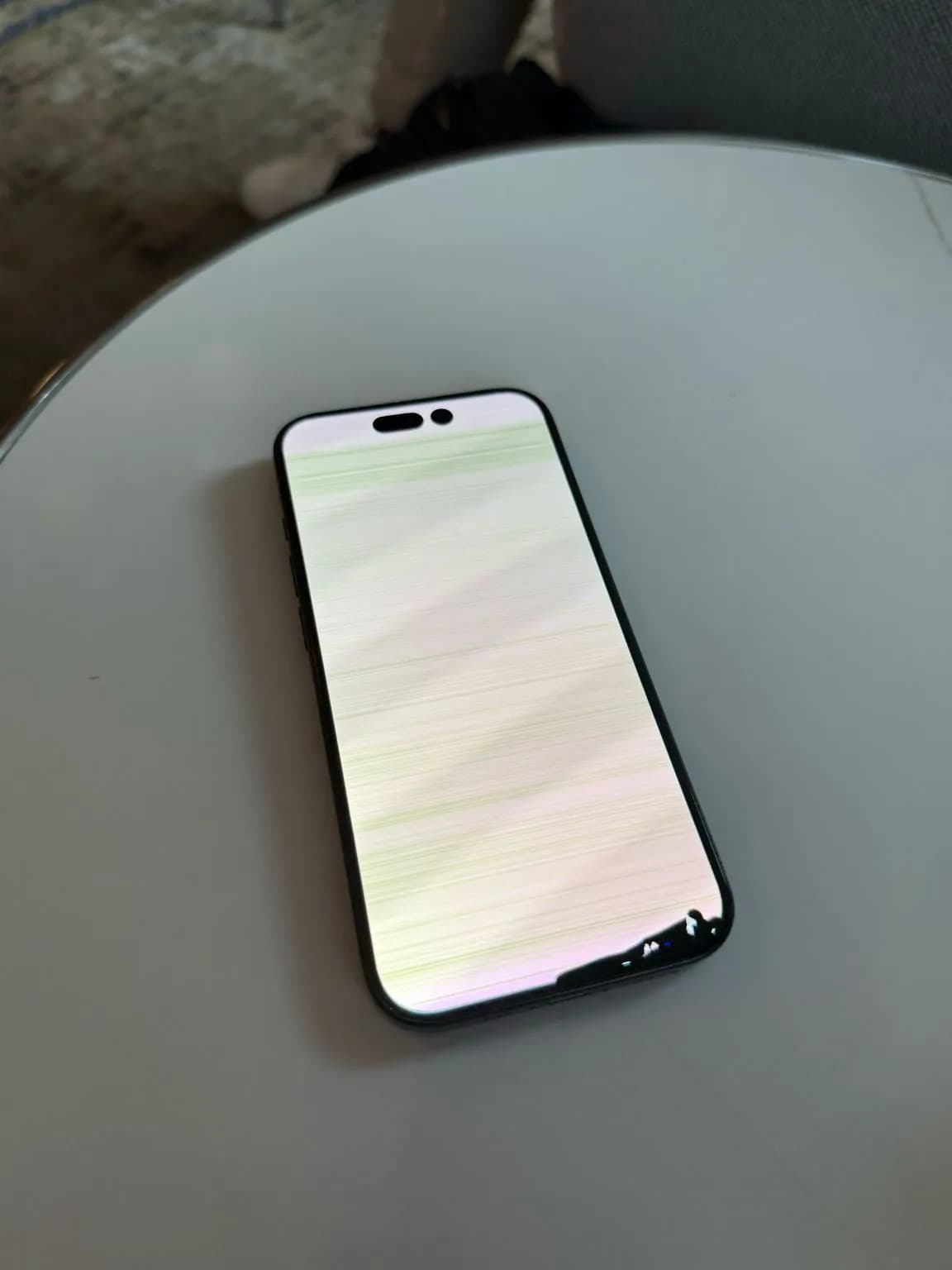
Imagine dropping your iPhone during a work trip. Yes, that one device we rely on for payments, 2FA, WhatsApp and many other daily essentials.
Your AI colleague suggests to mirror your phone's screen to your MacBook as an emergency solution. Except you are in Europe.
"iPhone Mirroring is officially unavailable in the European Union due to regulatory concerns surrounding Apple's compliance with the Digital Markets Act."
What iPhone Mirroring is, and why it is missing in the EU
iPhone Mirroring is the Mac feature Apple introduced with macOS Sequoia in 2024. It lets you see and use your iPhone from your Mac. Exactly what you need when the phone itself has a cracked screen and your 2FA codes, your banking app and your messages are stuck inside it.
In the EU, Apple has held the feature back and points to the Digital Markets Act. I am not going to pretend I know every detail of the back and forth between Apple and Brussels. I don't need to. The result for me, the user, is very concrete: the feature exists, it works, and it is switched off for the region I happen to be standing in.
The user is the one who pays
This is the part that bothers me. Rules like the DMA are sold as protecting consumers. In this case the consumer is the one left without a working solution, in a hotel room, with a broken phone. Whatever the regulatory fight is about, it is not being fought on my behalf in that moment.
It is a small story, but it is a very European story. A useful feature ships everywhere else, and in Europe we get a support page explaining why we can't have it.
It is not only Apple
The same week I wrote this under a Tesla post:
Meanwhile in Europe, still no self-driving, no Grok AI allowed in Tesla cars, and Cybertruck considered too dangerous.
Different company, different product, same pattern. Europe regulates first, and ships later or never. The rest of the world gets to try things, learn from them and improve them. We get to read about it.
Why this matters for AI
AI is moving faster than any of these products. If every new capability has to wait for regulators and companies to settle their disputes before European users can touch it, Europeans will always be a version or two behind. Not because we lack talent or money, but because we keep choosing friction.
I would rather see rules that make useful things safe to ship than rules that make them disappear.